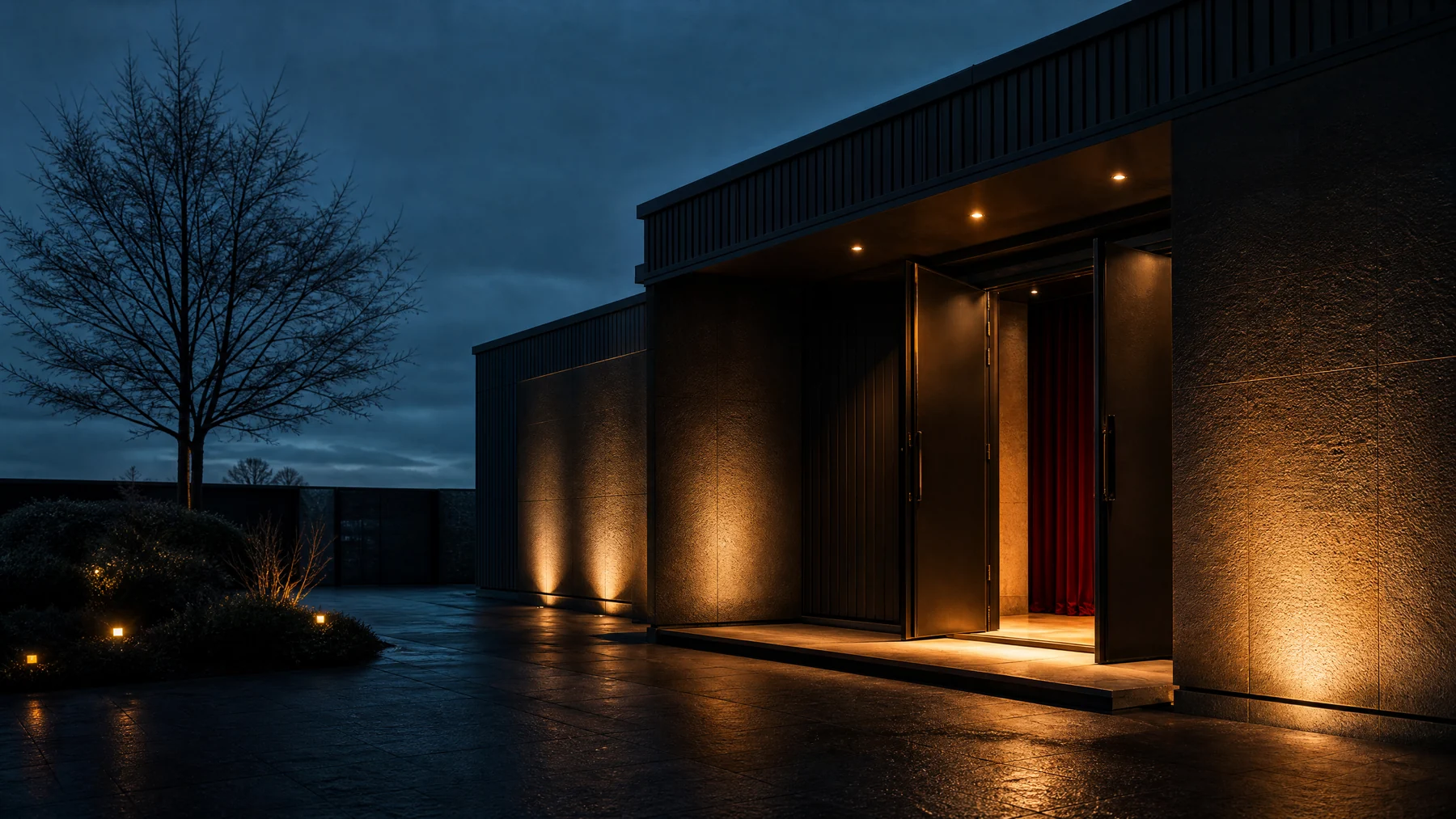
PROGRAMME CARD / 01
A decision is easier to make when everyone can see the scene.
Start with the moment where a person, system or team needs to choose. This is the first line of the programme.
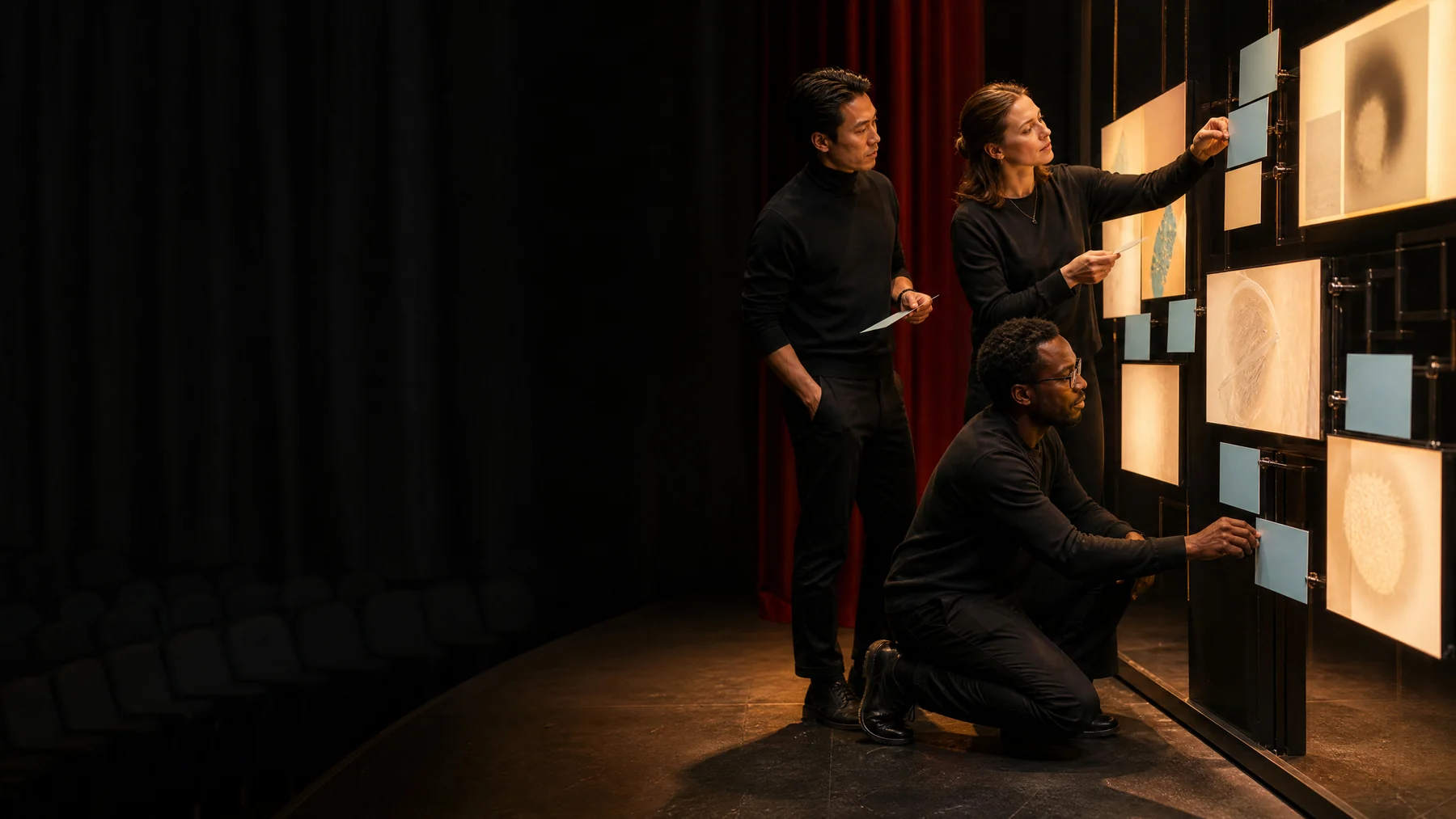

PROGRAMME CARD / 01
THREE ACTS / CHANGE THE QUESTION, NOT THE LIGHTING
Name the condition and the audience before a signal becomes a claim.
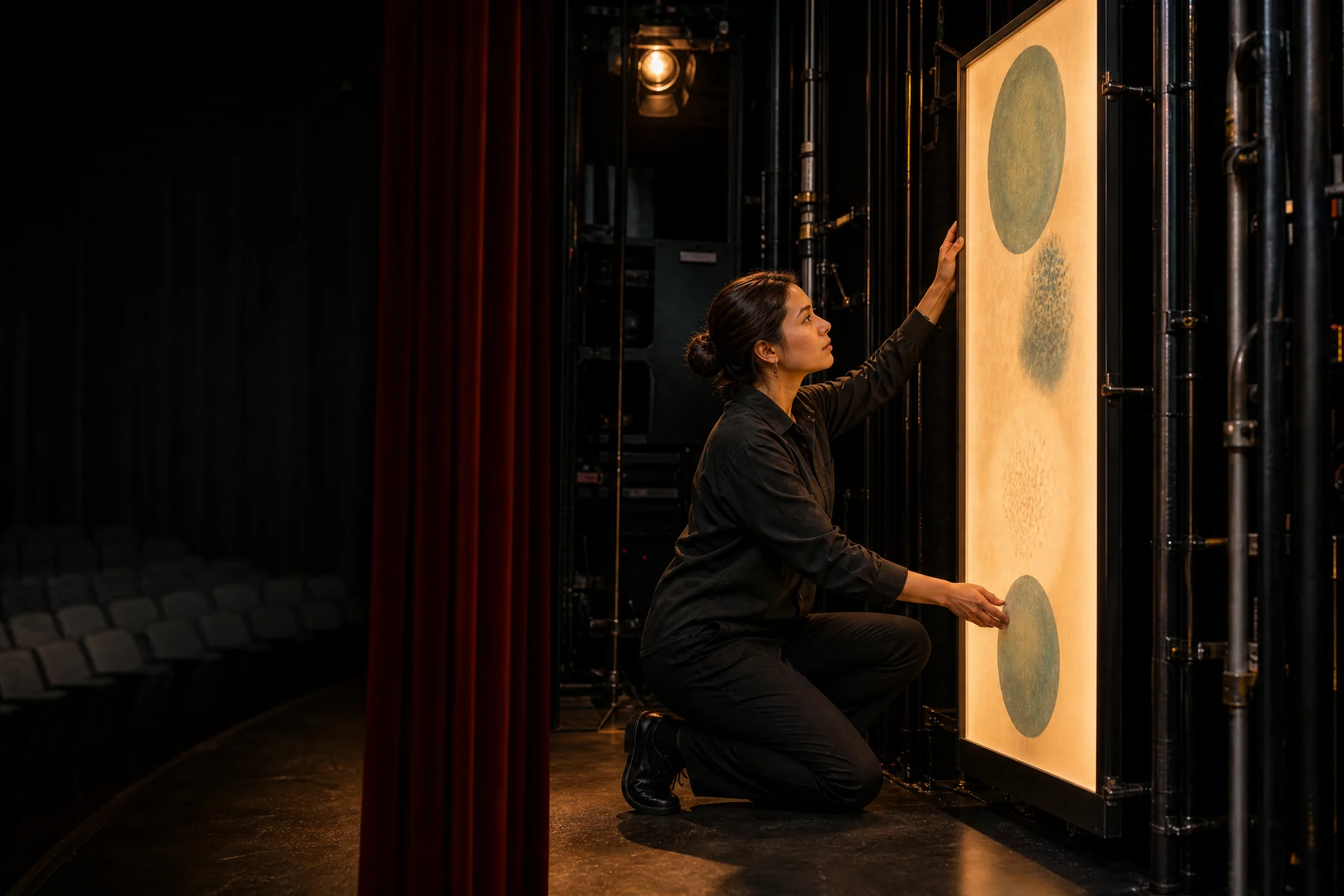
Place observations beside the context that gives them meaning.

Write the smallest move that follows from what the room has seen.
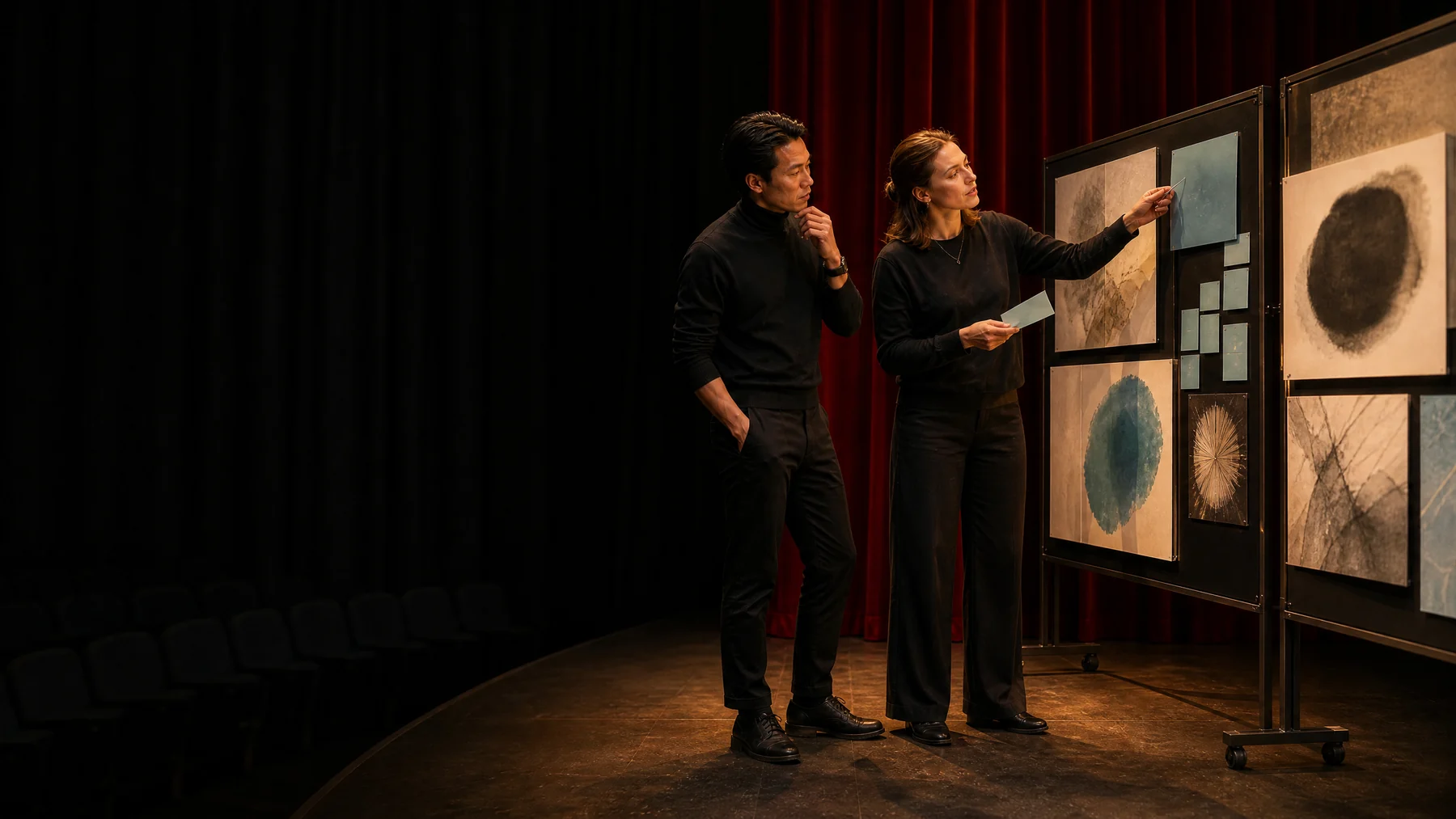
SIDE-STAGE EVIDENCE
Good BI makes room for what is not known yet. Put it behind the decision, not under the carpet.
REHEARSAL CIRCLE / PICK A CUE
Watch a real action and the conditions around it before reducing it to a rate.

INTERVAL BOARD / WHAT THE ROOM HAS LEARNED
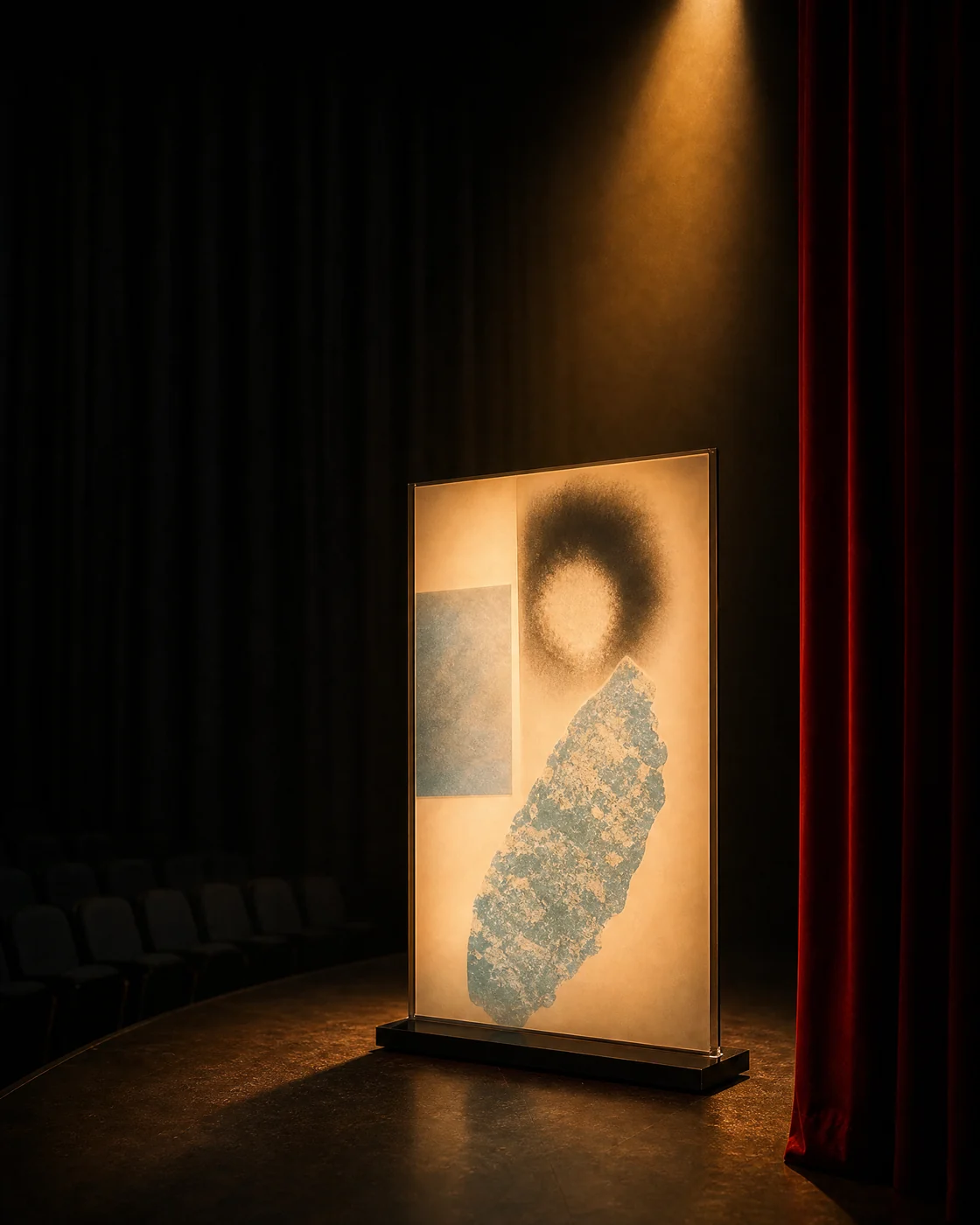
Give the team a moment to ask whether the finding would still make sense under a different condition.

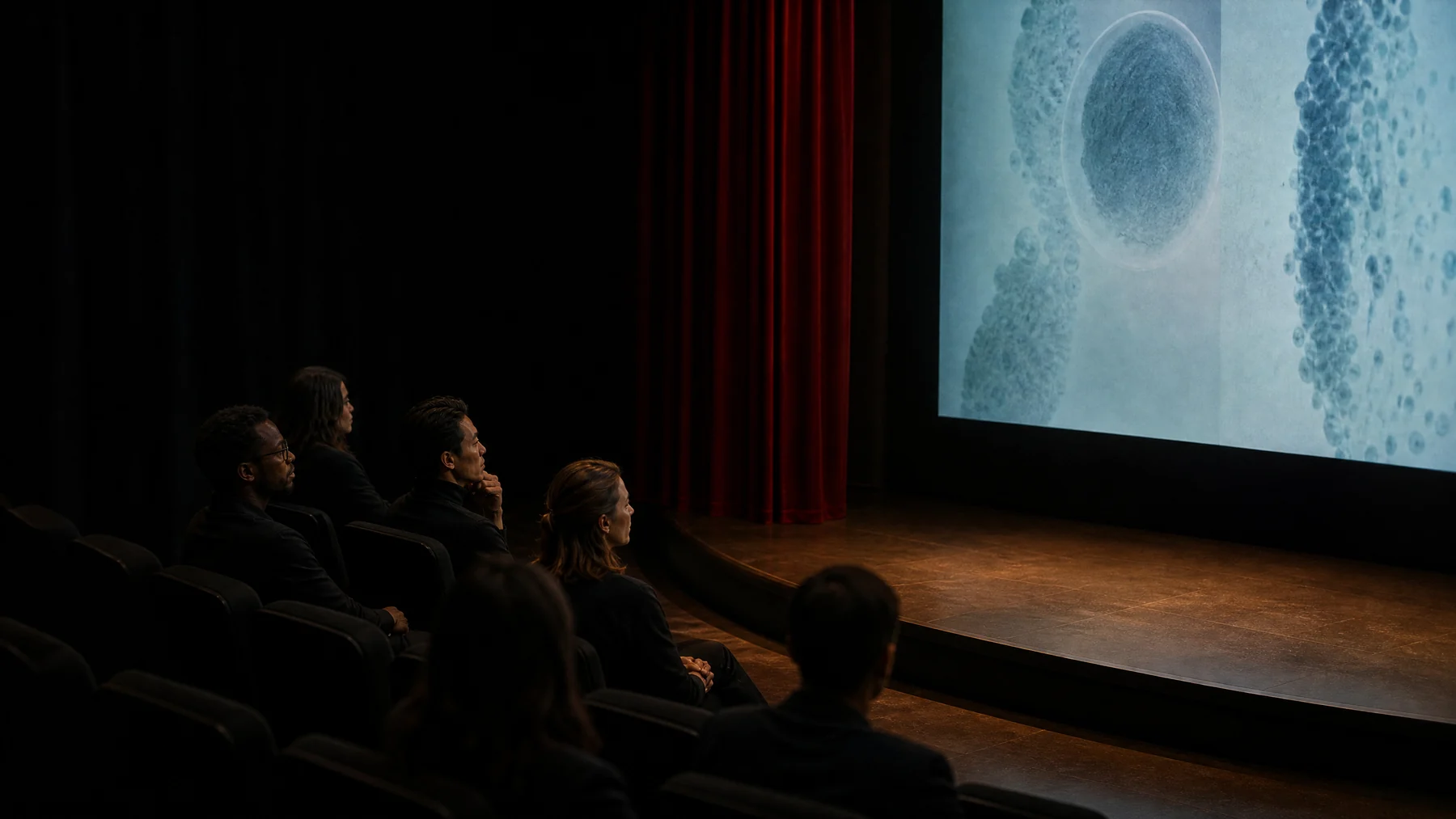
SPOTLIGHT DECISION
State the action, the evidence that supports it and the signal that would send the team back to rehearsal.
BACKSTAGE REQUEST
Describe the situation and the decision that needs a clearer stage. Do not submit confidential material or credentials.